NewsCompliance
TCPA Compliance Made Simple: What Every MSB Needs to Know Before Texting Customers
SMS is the most direct line you have to your customers. Here's what the TCPA requires before you hit send — in plain English, no legal jargon.
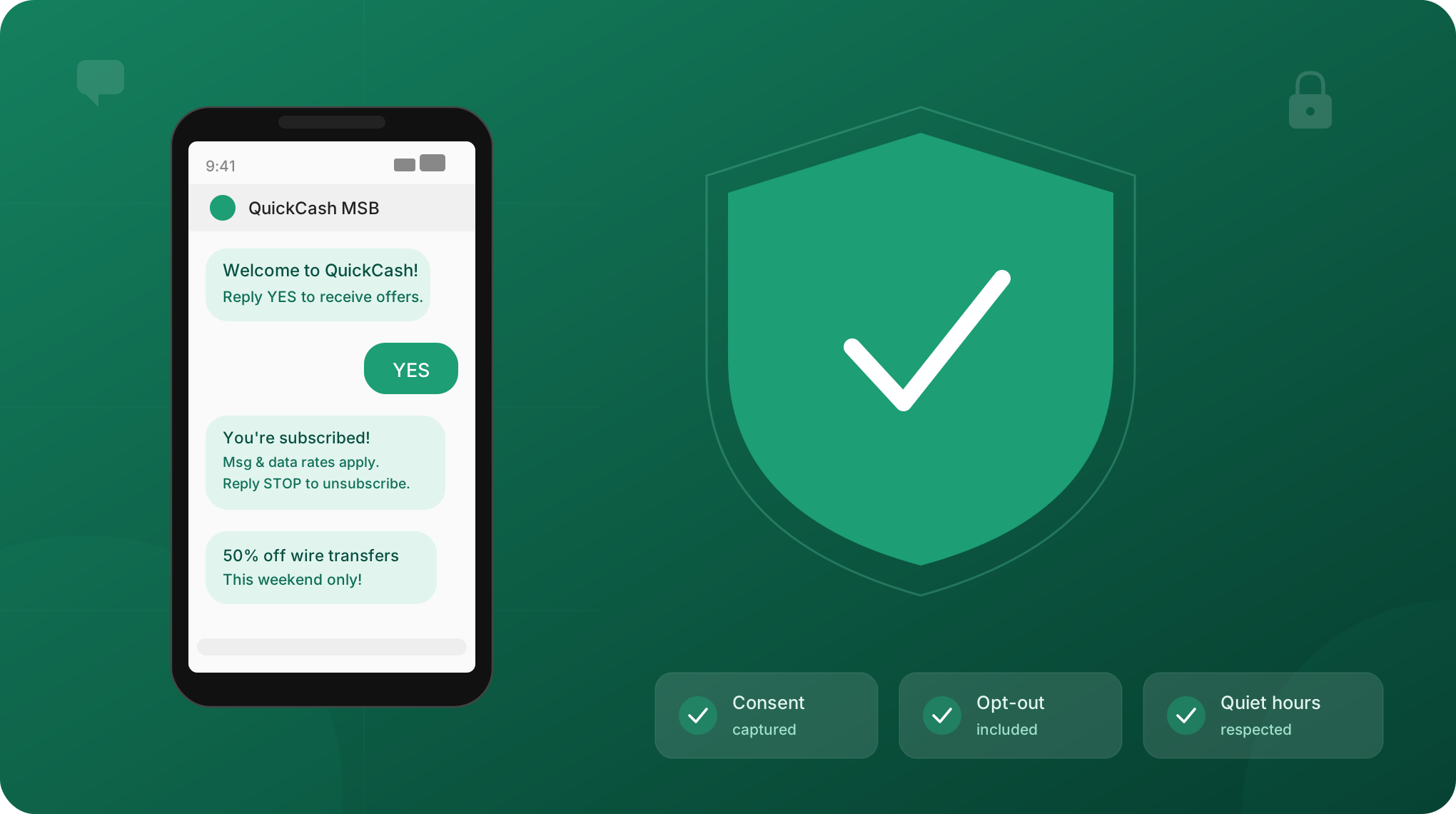
You already know that SMS is one of the most effective ways to reach your customers. Text messages get opened — almost all of them, almost immediately. For check cashers, money service businesses, and other alternative financial service centers, that kind of direct line to your customer base is incredibly valuable.
But before you start blasting out promotions and offers, there's one set of rules you absolutely need to understand: the Telephone Consumer Protection Act, or TCPA.
The good news? TCPA compliance isn't complicated. It just takes a little structure. Here's what you need to know — in plain English, no legal jargon.
What Is the TCPA and Why Should You Care?
The TCPA is a federal law designed to protect consumers from unwanted calls, texts, and faxes. It's enforced by the FCC, and it applies to any business that communicates with customers by phone or text — which includes you if you're running an MSB.
The reason it matters beyond “it's the law” is simple: violations are expensive. Individual penalties can run up to $500–$1,500 per message, and businesses can face fines of up to $16,000 per violation. When you're sending messages to hundreds or thousands of customers, that math gets scary fast.
Beyond the financial risk, compliance is just good business. Customers who opt in to hear from you are the ones most likely to come back. Respecting their preferences builds trust — and trust is everything in financial services.
The Golden Rule: Get Consent First
The single most important thing to understand about TCPA compliance is Prior Express Written Consent (PEWC). Before you send a marketing or promotional text to a customer, they need to have explicitly agreed to receive those messages from you.
This isn't a verbal “yeah, sure” at the counter. Written consent means the customer has clearly opted in — whether that's through a paper sign-up form, a digital kiosk, a website form, or a text-based opt-in flow.
What Consent Looks Like at an MSB
For most financial service centers, the best place to capture consent is right at the point of service — the teller window. Here's what that can look like in practice:
- A tablet or kiosk at the counter where customers enter their phone number and tap to agree to receive messages.
- A simple paper sign-up card with clear language about what they're opting into.
- A “text to join” sign posted in your location — the customer texts a keyword to your number and receives a confirmation message.
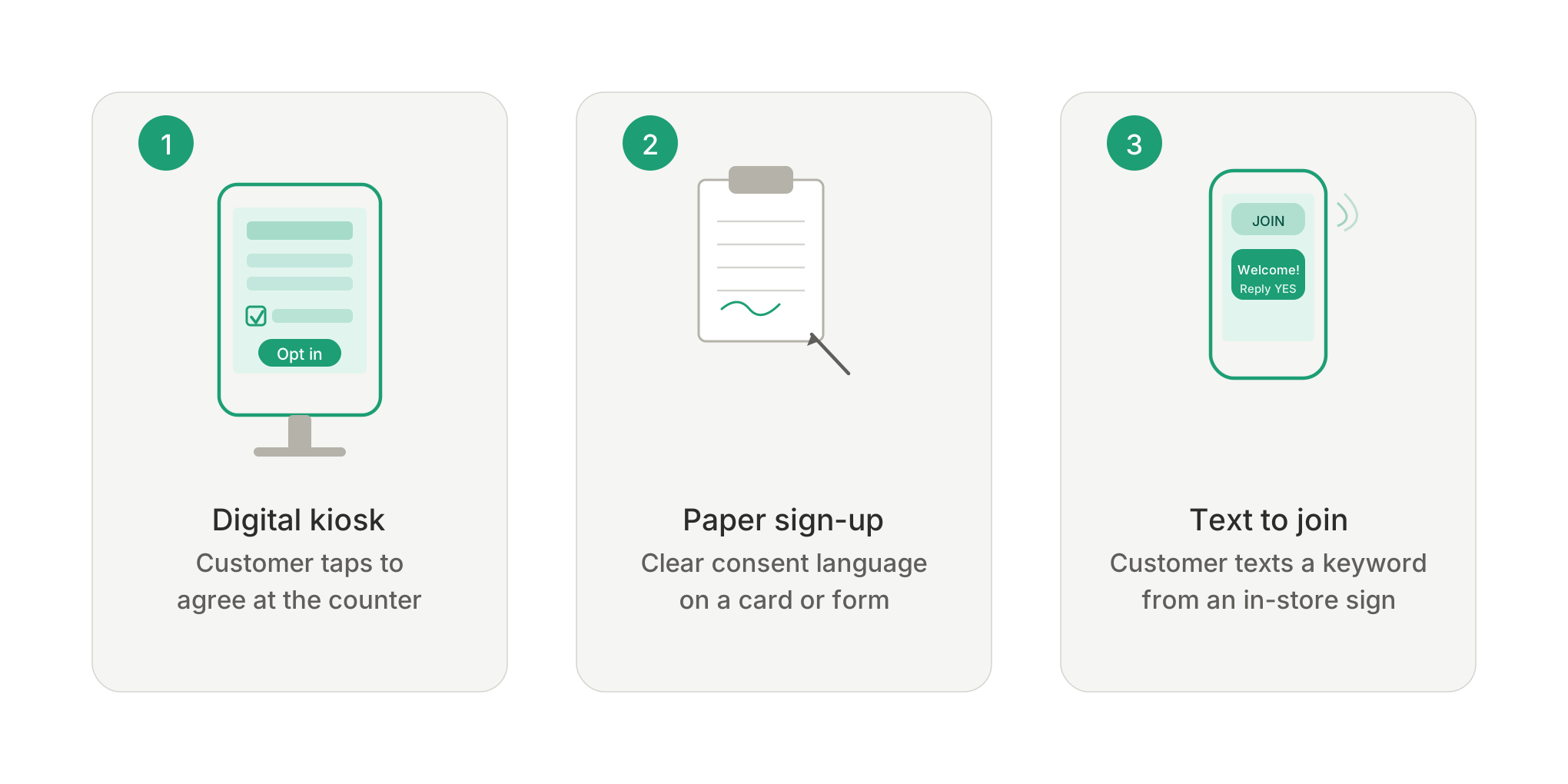
Whichever method you use, the key is that the customer knows what they're signing up for. The consent language should be clear about the types of messages they'll receive (promotions, offers, updates) and that standard messaging rates apply.
The Confirmation Message
Once someone opts in, send a confirmation text right away. It should include who you are, what kind of messages they'll get, and how to opt out. Something like:
“Thanks for joining [Your Business Name]! You'll receive occasional offers and updates. Msg & data rates may apply. Reply STOP to unsubscribe at any time.”
This confirmation isn't just a best practice — it's your proof that the customer was informed and chose to stay subscribed.
Transactional vs. Marketing Messages: Know the Difference
Not every text you send requires the same level of consent. The TCPA draws a line between transactional messages and marketing messages, and the distinction matters.
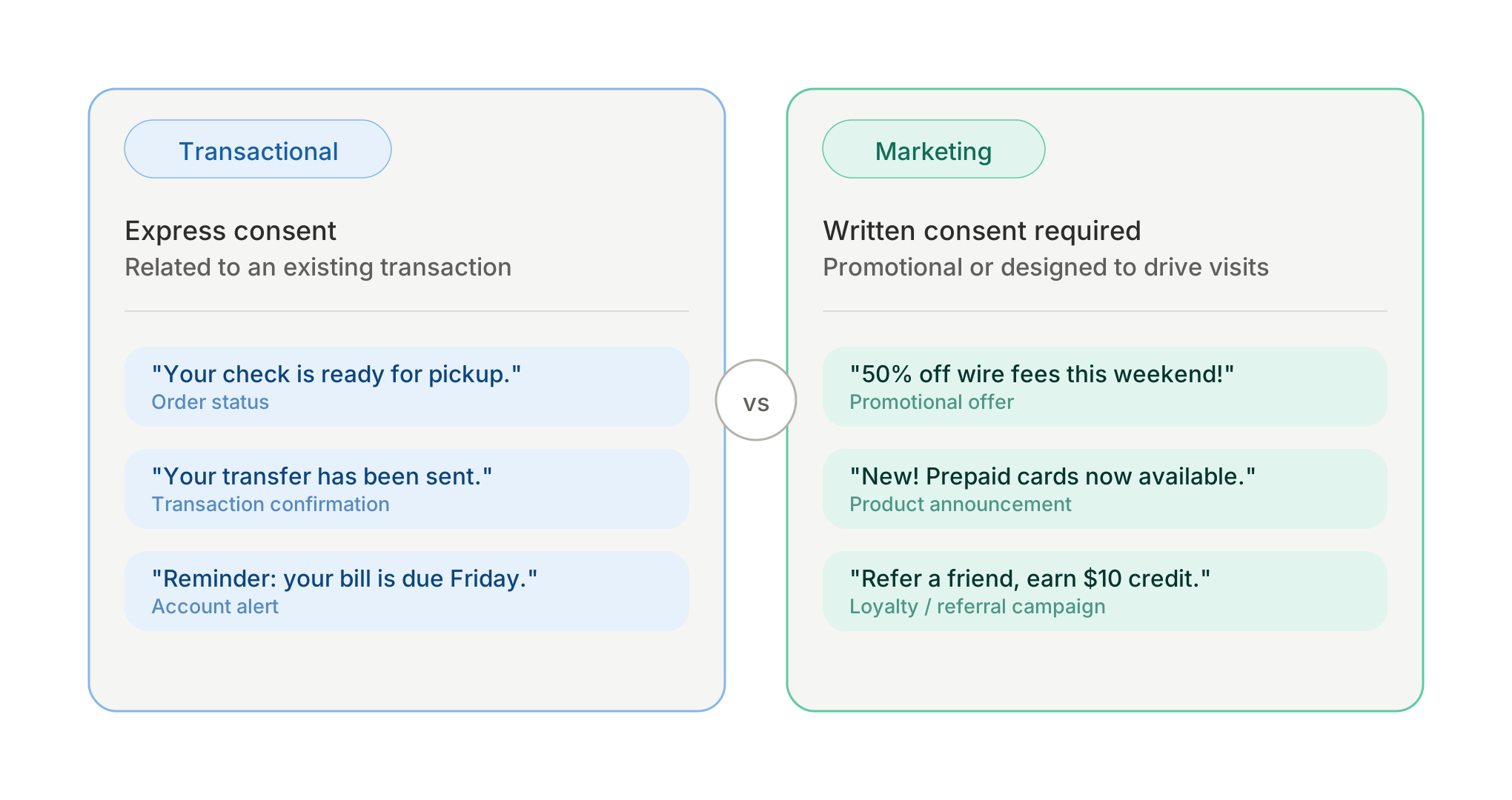
Transactional messages are texts that relate directly to an existing business relationship or a transaction the customer initiated. Think: order confirmations, appointment reminders, account alerts, or service status updates. These generally require less stringent consent (express consent, not necessarily written).
Marketing messages are anything promotional — special offers, discounts, event announcements, loyalty rewards, campaigns designed to drive a visit. These require Prior Express Written Consent.
For MSBs, this distinction is important. A text telling a customer their check is ready for pickup is transactional. A text offering 50% off wire transfer fees this weekend is marketing. Both are valuable, but they have different consent requirements.
The TCPA Compliance Checklist for MSBs
Here's a straightforward checklist to keep your SMS program on the right side of the law:
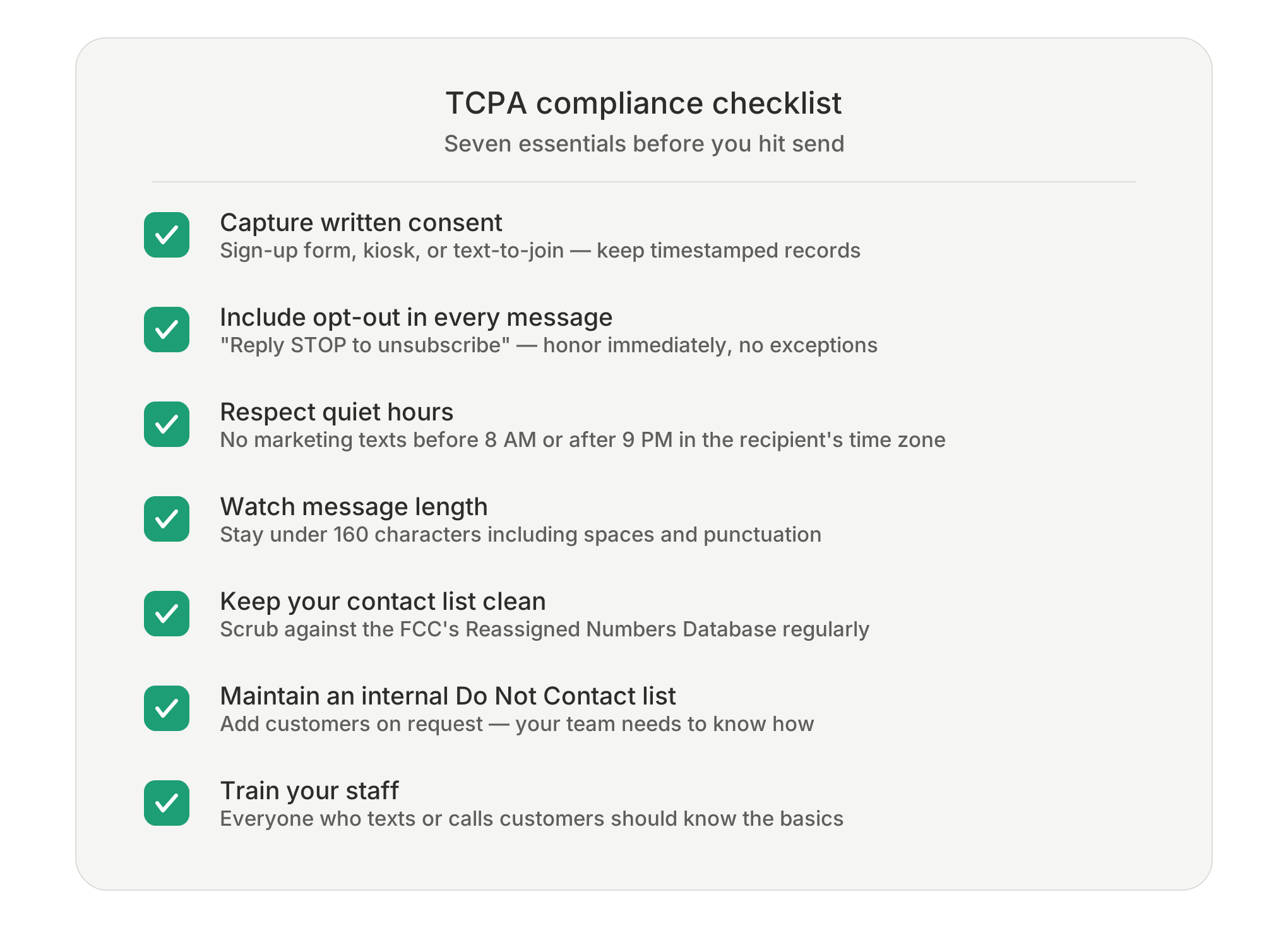
Capture written consent before sending marketing texts.
Use a sign-up form, digital kiosk, or text-to-join flow. Keep records of when and how each customer opted in.
Always include an opt-out mechanism.
Every marketing message should give the customer a way to unsubscribe. The standard is “Reply STOP to unsubscribe.” When someone opts out, honor it immediately — no exceptions, no delays.
Respect the quiet hours.
The TCPA prohibits marketing calls and texts before 8:00 AM and after 9:00 PM in the recipient's local time zone. If your customers span multiple time zones, make sure your sending platform accounts for that.
Watch your message length.
Marketing texts should stay within 160 characters including spaces and punctuation. If your message is longer, it may get split into multiple texts — which could count as multiple messages under the TCPA.
Keep your contact list clean.
Phone numbers get reassigned. If you're texting a number that now belongs to someone who never opted in, that's a violation. Periodically scrub your list against the FCC's Reassigned Numbers Database.
Maintain your own Do Not Contact list.
Beyond the national Do Not Call registry, you need to keep an internal list of customers who've asked not to be contacted. Your team should know how to add someone to this list on the spot.
Train your staff.
Anyone on your team who sends texts or makes calls to customers should understand the basics of TCPA compliance. It doesn't have to be a law school lecture — just make sure they know the rules around consent, opt-outs, and quiet hours.
What About State Laws?
The TCPA is a federal law, but many states have their own rules that go further. Some states require additional disclosures, have stricter consent requirements, or impose higher penalties. If you operate in multiple states, you'll want to follow the most restrictive set of rules that applies to your customer base.
This is one area where it's worth checking with a compliance professional — especially if you're scaling your SMS program across locations.
How CrowdLine Helps You Stay Compliant
CrowdLine is built with TCPA compliance baked into the platform. From the way consent is captured at the counter to the way opt-outs are processed automatically, the system is designed so that doing the right thing is the default — not an afterthought.
- Built-in consent capture at the point of service, with timestamped records you can reference if questions ever come up.
- Automatic opt-out handling — when a customer texts STOP, they're removed from your marketing list instantly.
- Smart send windows that respect quiet hours across time zones.
- Transactional vs. marketing message classification so you're always sending the right type of message with the right level of consent.
You don't need to become a TCPA expert to run an effective SMS marketing program. You just need a platform that handles the compliance details so you can focus on what matters: keeping your customers engaged and coming back.
Disclaimer: This article is for informational purposes only and does not constitute legal advice. TCPA regulations are complex and subject to change, and state laws may impose additional requirements. Businesses are solely responsible for ensuring their own compliance with all applicable federal, state, and local telecommunications laws. We strongly recommend consulting with a qualified attorney before launching any SMS or telemarketing program.